Everglades National Park is easier to enjoy when you choose one entrance, one main activity, and enough time to stop. This visitor guide helps you plan a self-guided day or decide where a guided experience belongs.
Everglades National Park and the wider region
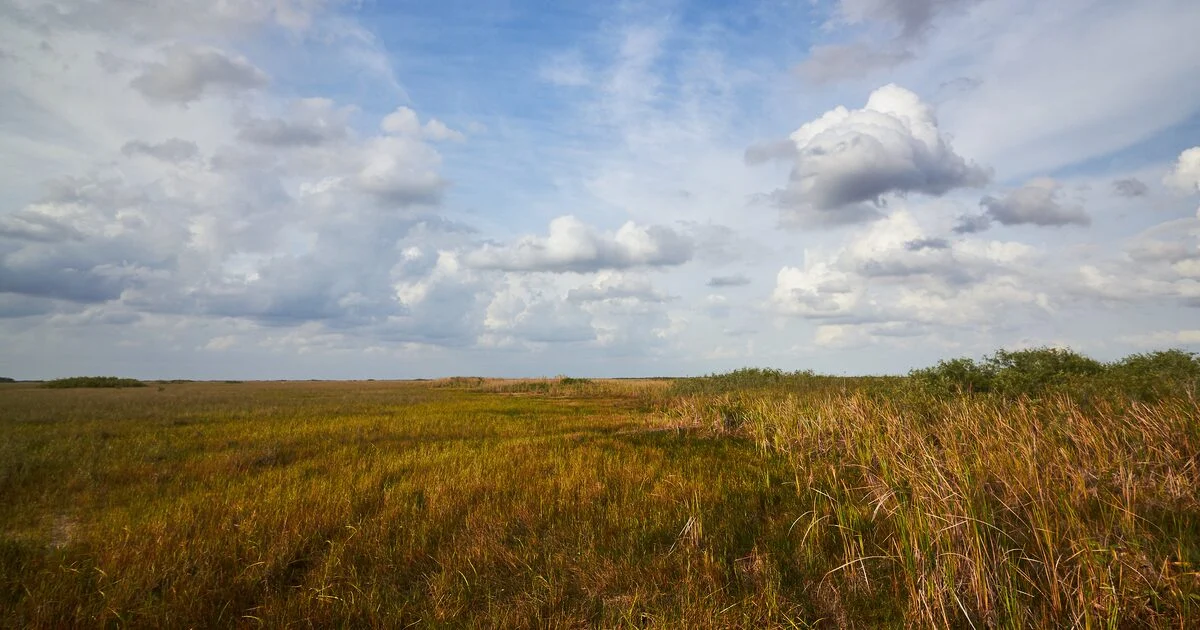
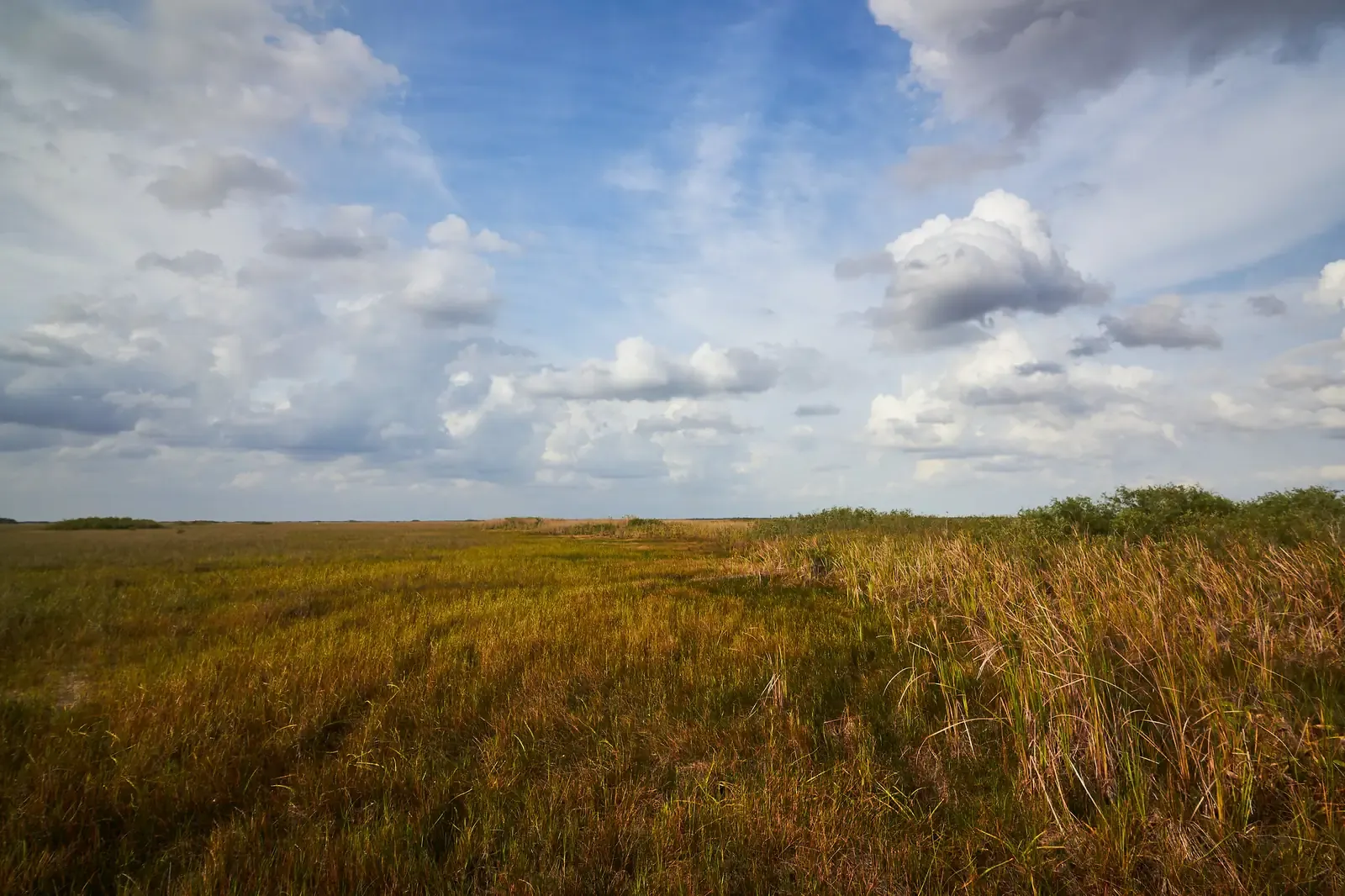
“The Everglades” can mean the national park or the larger wetland region surrounding it. Everglades National Park protects about 1.5 million acres, but a road trip through the greater Everglades may also include Big Cypress National Preserve and activities outside the national park. A destination’s name alone does not tell you which land manager, entrance fee, or activity rules apply. Visiting the Everglades works best when you treat it as three separate destinations, not one park road.
The greater Everglades is the whole slow-moving sheet of water that once ran from the Kissimmee lakes through Lake Okeechobee and south to Florida Bay. Much of it lies outside the park: Big Cypress National Preserve, the state-managed Water Conservation Areas west of Miami and Fort Lauderdale, tribal lands, and private wetlands along the Tamiami Trail. That matters for visitors, because many of the classic Everglades experiences, including most airboat rides, happen outside the park boundary.
The three park entrances (they don’t connect)
Everglades National Park has three separate entrances, and no road links them inside the park. Pick the one that fits your day before you set off.
- Shark Valley (Tamiami Trail, west of Miami): A useful starting point for a marsh-focused visit from Miami. A 15-mile paved loop leads to an observation tower at the halfway point. You can walk it, bike it, or ride the narrated tram. Vehicle access runs 8:30 a.m. to 6:00 p.m., and in the busy season the lot often fills by mid-morning.
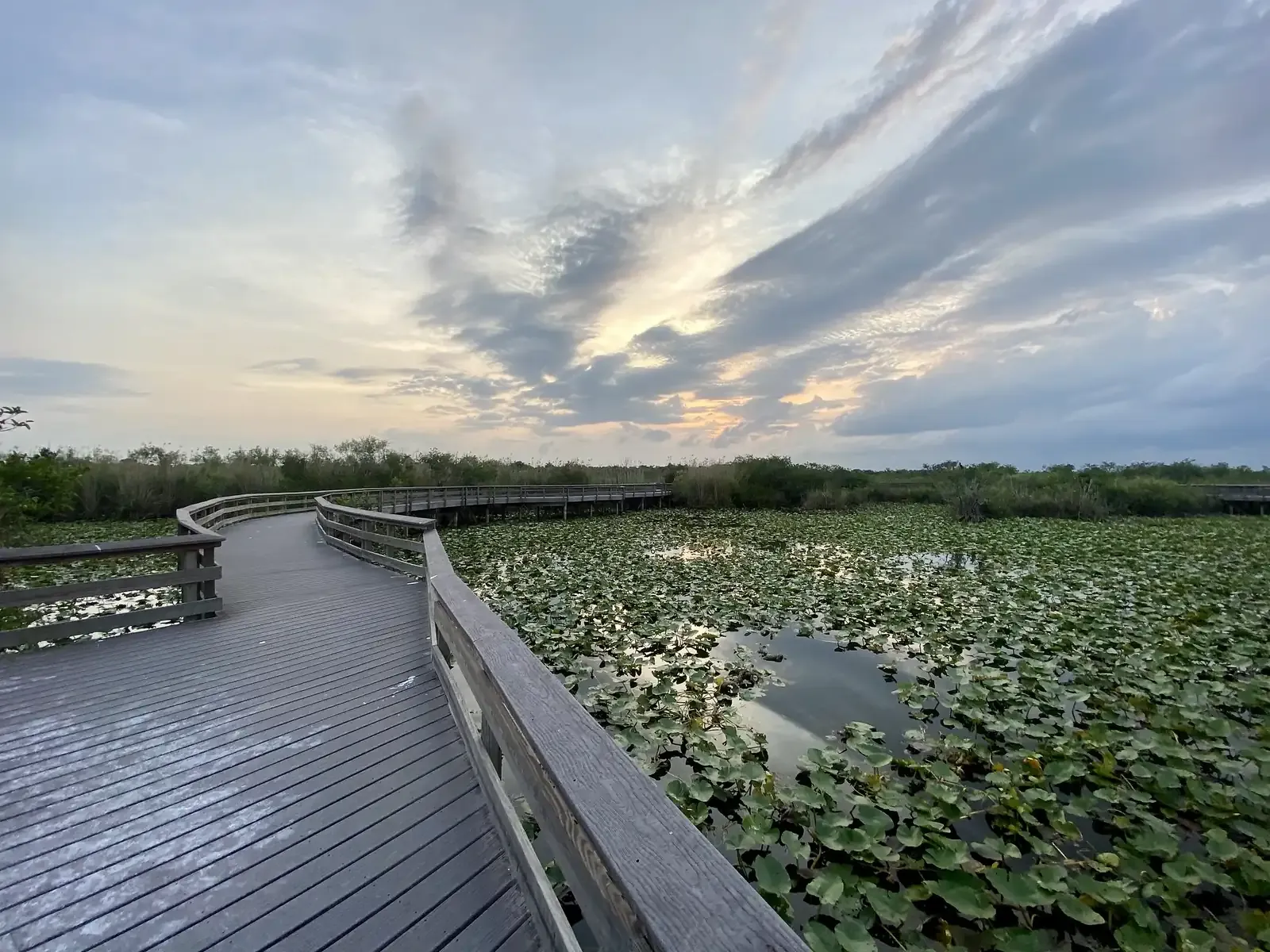
- Homestead (main entrance): The Ernest F. Coe Visitor Center, the Royal Palm area with the famous Anhinga Trail, and the 38-mile road south to Flamingo on Florida Bay. Plan on a full day if you want to reach Flamingo.
- Gulf Coast (Everglades City): The mangrove and Ten Thousand Islands side, best for boat tours and paddling. It’s far from Miami but easy to add on a drive to or from Naples.
These areas are separate destinations. Choose your entrance before calculating your drive, and check live traffic from your actual starting point. The entrances guide compares the choices, while our Shark Valley guide explains the parking constraints at the Miami-side entrance.
When to go, in one paragraph
The winter dry season (roughly November through April) brings mild temperatures, fewer bugs, and wildlife crowded around the remaining water, which makes for easy viewing. It’s also peak crowd season. The summer wet season (roughly May through November) is hot, humid, stormy in the afternoons, and buggy, and animals spread out across the flooded landscape. It’s also greener, quieter, and a good time for water-based trips like airboat rides, when the operator and weather conditions permit. Hurricane season runs June 1 to November 30. Our month-by-month guide breaks it down.
The wildlife: what you can realistically expect
Alligators are among the animals visitors look for in freshwater areas, especially during the dry season, but sightings are never guaranteed. Wading birds are the other headline: great blue herons, great and snowy egrets, white ibis, anhingas drying their wings, and with some luck, roseate spoonbills and wood storks. South Florida is also the only place in the world where American alligators and American crocodiles share habitat. American crocodiles are associated especially with coastal brackish and saltwater habitats, including the Flamingo area.
Manatees, river otters, and bobcats turn up occasionally. The Florida panther is extremely rare to see. Treat a sighting as a lifetime event, not an expectation. Start with where to see alligators.
What to bring (the short list)
- More water than you think you need, plus snacks. Food options inside the park are limited.
- Sun protection: a hat, sunglasses, reef-friendly sunscreen, and a light long-sleeve shirt.
- Insect repellent, especially from late spring through fall and around dawn and dusk.
- Binoculars or a zoom lens. Wildlife is often 50 yards away across open marsh.
- A card, not cash. Park entrance stations are cashless.
- A full tank of gas and downloaded offline maps. Cell coverage is patchy past the city edge.
Pack for the activity you actually choose: a two-hour tram ride and a long bicycle loop need different amounts of exertion and preparation.
Staying safe
Plan for sun, heat, insects, sudden storms, and limited cell reception. Everglades National Park tells visitors to remain at least 15 feet from wildlife and never feed, touch, or harass animals. Feeding wild alligators is illegal in Florida. Keep children close, follow posted restrictions, and postpone exposed outdoor activities when weather conditions are unsafe.
Seeing the Everglades by airboat
An airboat uses an above-water propeller to travel through shallow wetland areas. It offers a different perspective from walking a boardwalk, but it brings engine noise and requires a separate booking. Ask about hearing protection, actual time on the water, weather policies, and the exact meeting location before committing.
Inside the national park itself, airboat use is tightly limited to a few authorized concessioners along the Tamiami Trail. Most operators run on the wider Everglades system nearby. Tour formats and boat capacities vary. Our airboat tour guide explains what to ask before you book.
Visiting the Everglades: choose an entrance, then build the day
| Area | What your day revolves around | Allow room for |
|---|---|---|
| Shark Valley | The 15-mile tram, bicycle and walking loop | A parking queue and your selected activity |
| Homestead / Royal Palm | Short trails and the Main Park Road toward Flamingo | Stops, changing habitats and a return drive |
| Gulf Coast / Everglades City | Water-based access to the Ten Thousand Islands | A confirmed departure or paddling plan |
Think of the entrance choice as a practical filter. If everyone wants a seated introduction, start by checking the Shark Valley tram. If your group likes frequent short walks and changing scenery, investigate Royal Palm and the Main Park Road. If the goal is mangroves and coastal water, look at the Gulf Coast or Flamingo options. You can enjoy any of these without treating the other areas as missed obligations.
For a first visit, use the area-by-area activity list to select a main experience and one optional stop. Keep the optional stop genuinely optional. A wildlife encounter, a parking delay, or a tired child is a good reason to simplify the plan rather than rush through everything you wrote down.
The best way to visit the Everglades for your group
NPS offers ranger-led activities, with availability varying by season and location. Authorized concessioners also offer the narrated Shark Valley tram and boat or paddling experiences in the Flamingo and Gulf Coast areas. Airboat experiences require careful location checking: three authorized airboat concessions operate in a designated part of the park, while other operators run outside it. Choose the format for the landscape, access needs, and amount of physical activity your group wants.
Match your expectations to the season
| Seasonal pattern | Why choose it | What to plan around |
|---|---|---|
| Drier, cooler months | Comfortable outdoor days and wildlife viewing around remaining water | Popular parking lots, reservations, and occasional cold fronts |
| Hotter, wetter months | Green landscapes and a quieter style of visit | Heat, mosquitoes, storms and reduced programs |
| Transition months | A flexible trip can work well | Conditions vary; the calendar does not guarantee the weather |
NPS pages use slightly different month boundaries for the seasons. That is useful context: weather does not change overnight on a calendar date. Check a forecast shortly before traveling, then check again on the morning of an exposed bicycle ride or boat trip. Winter visitors still need water and sun protection; summer visitors need a shorter, more flexible outdoor plan.
A practical first-visit checklist
Save your chosen entrance and the actual tour meeting point separately. A booking confirmation for a private operator does not necessarily lead to an NPS entrance. Download maps while you have a reliable connection, keep your entrance pass available offline, and bring the payment method and identification required for the pass you chose. Check official alerts before you leave your accommodation.
Decide what happens if the main activity is unavailable. For a Shark Valley day, that might mean a shorter walk after checking entry conditions, or postponing the visit. For a coastal boating day, ask the operator about weather cancellation before you travel. Avoid replacing a cancelled activity with an unfamiliar backcountry route merely because it looks close on a map.
Build in a proper meal break. NPS says Shark Valley has snacks rather than full meals for sale, so bring what your group needs. At other destinations, verify current food-service hours before relying on them. Drinking water, a charged phone, sensible footwear, and a flexible plan do more for a comfortable visit than squeezing in one extra stop.
Start here
If a private airboat experience fits your itinerary, our disclosed recommendation is below.
Frequently asked questions
How much time do I need in the Everglades?
Allow half a day for one focused area, with travel and parking added. A full day allows more stops along one route; it does not make all three entrances a sensible single-day plan.
Is there an entrance fee?
Yes. NPS currently lists $35 per private vehicle for seven days. Non-US residents aged 16 or older may also owe the additional $100 fee unless admitted with a qualifying pass. Read the dated fee box and official pass rules above.
Can I visit without a car?
Plan transportation in both directions before booking. NPS warns that on-demand return rides at Shark Valley and Flamingo may be unavailable. A confirmed transfer or a tour with transport can be more practical.
What is the best thing to do on a first visit?
Choose the experience that suits your group: a narrated tram, a short wildlife walk, a bicycle ride, or a guided trip on the water. No single activity is the best choice for every visitor.
Disclosure: Everglades Tour Guide is published by Captain Greg Mislow, owner of Airboat Adventures Everglades. We recommend AAE because we know exactly how its tours run. The rest of this guide is general visitor information drawn from public sources like the National Park Service. Last reviewed October 1, 2026.